01Documenting Manual Adjustments
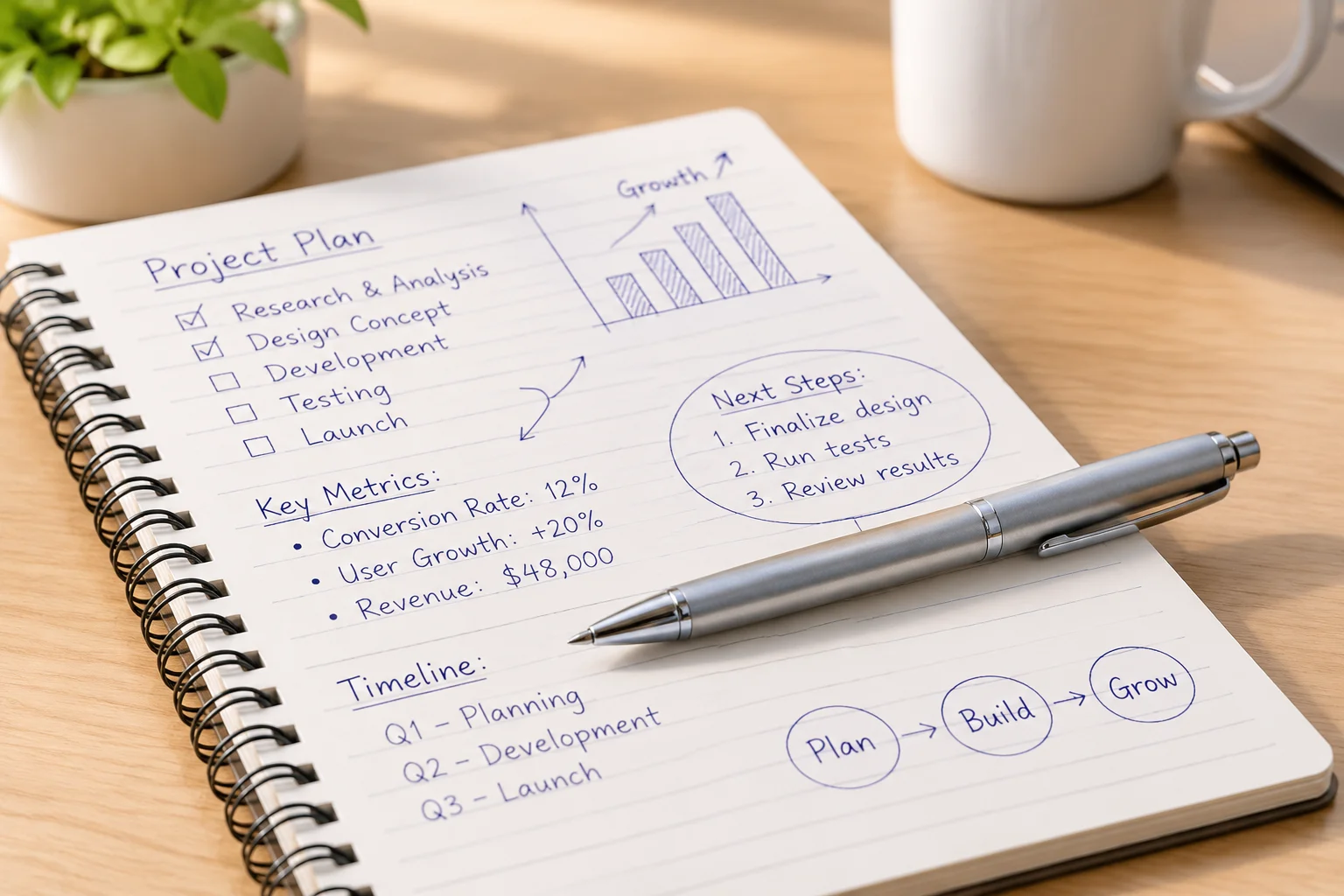
When software-based projections fall short of capturing real-world shifts, manual notes serve as the essential bridge between automated data and financial reality. These annotations ensure that any expected income or outgoing payments not yet in the system remain visible.
Keeping a dedicated space for these adjustments prevents the common pitfall of assuming every line item on a ledger is current. Whether it involves shifting the timing of a recurring bill or accounting for a one-time fee, your handwritten or digital notes provide the necessary context for effective balance management.
Need a review template?
Explore our comprehensive library of payment timing templates and record-keeping tools.
02Refining Your Projection Assumptions
Projected balances are built on a bedrock of assumptions about income frequency and expense regularity. Periodically questioning these assumptions is vital, especially as circumstances evolve throughout the calendar year.
- Review the variability of utility payments compared to historical data.
- Verify if income deposits align with expected schedules.
- Identify patterns where projected amounts deviate from actual bank activity.
Updating these assumptions mid-month prevents the projection from drifting too far from reality. This proactive stance keeps your expectations grounded and minimizes the chance of encountering unexpected negative balances.
03Maintaining Ledger Integrity
Integrity in financial record-keeping depends on consistency. By formalizing the way you input and track manual notes, you create a standard operating procedure for your personal balance audits.
- Establish a standard note-taking format that labels the type of adjustment clearly.
- Assign consistent reference dates for every manual entry added to the schedule.
- Regularly purge or archive notes that have been superseded by actual bank transaction completions.
Through this systematic approach, your records remain readable, logical, and highly actionable during your next review session.
04Frequently Asked Questions
Both work effectively depending on your workflow. Digital notes often sync across devices for quick access, while physical pads provide a tactile experience that can help with focused planning and mental mapping.



David Ross
AuthorNotes on projected balances often require a periodic review to stay accurate.