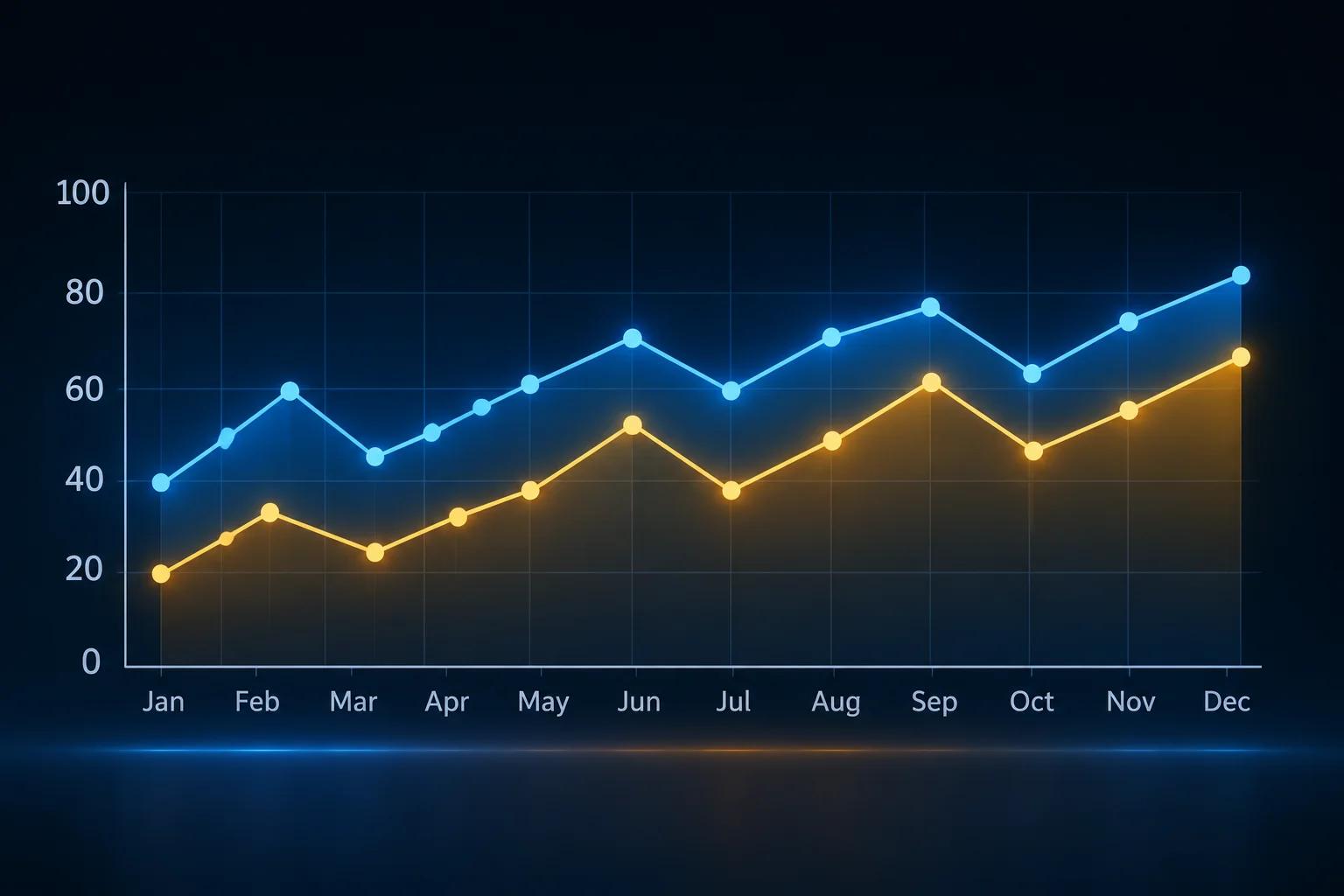
Guides•Payment Fundamentals

Expected Income and Actual Deposits

Balancing your projected inflows with confirmed bank activity to maintain a reliable financial schedule.

By Daniel Ives2026-09-255 min read
Expected Income and Actual Deposits
Planning Insight

Why Your Balance Depends on Timing

Many people mistake their salary expectation for available cash, leading to common scheduling errors. By comparing these figures systematically, you avoid accidental overdrafts and ensure bills are covered by cleared funds rather than theoretical projections.

Scenario Best Practice
Variable Pay Use conservative minimums
Delayed Deposits Adjust bill due dates
Pending Items Wait for bank clearing
View Sections

Key Takeaways

Effective financial planning requires distinguishing between your budget estimates and your verified account status.

  • Always verify deposit clearing times before scheduling outgoing payments.
  • Account for weekends and bank holidays when calculating income availability.
  • Update your tracking sheets regularly to reflect actual rather than expected totals.

Understanding the Gap

Many individuals rely on a mental forecast of their income. While helpful for broad goals, this approach often falls short when managing monthly obligations. The discrepancy between what you expect to earn and what is actually deposited can lead to significant stress if your outgoing payments rely on that incoming cash.

Bank processing times vary. A direct deposit might trigger on a Friday, but your bank might not make the full amount available until the following Tuesday. Relying on an "expected" date often leads to scheduling a payment for a day where the funds have not yet cleared, even if the bank reports them as 'pending'.

Methods for Reconciliation

To bridge the gap between expectation and reality, use a simple reconciliation process. This involves checking your bank statement against your planned budget every few days.

  • Sync Cycles: Align your main bills with a buffer period following your payday.
  • Pending vs. Available: Only trust the 'available' balance for immediate payment authorizations.
  • Manual Logs: Keep a running manual record of expected versus cleared funds to spot discrepancies quickly.

By treating expected income as a secondary metric to verified deposits, you create a safety net for your recurring bills. A conservative outlook ensures that you never fall short when a non-standard bill arrives unexpectedly.

Need More Guidance?

Explore our detailed payment cases to see how these reconciliation methods work in real life.

View Cases

Stay Updated

Subscribe to receive our latest tips on managing recurring bills and calendars.

Clarifications

Frequently Asked Questions

Related Articles & Guides

View All
Why Payment Dates Matter
Guides•2026-09-10

Why Payment Dates Matter

A detailed look at the impact of payment schedules on your cash cycle.

Read Guide
Scheduled Versus Completed Payments
Guides•2026-09-15

Scheduled Versus Completed Payments

Understanding the status tracking of your recurring transfers.

Read Guide
A Variable Bill in a Recurring Schedule
Guides•2026-09-20

A Variable Bill in a Recurring Schedule

Strategies for managing irregular costs alongside your planned schedule.

Read Guide

Reader Discussion & Feedback

Share your observations on record-keeping timing or clarify case specifics.

PA

Paul

Contributor

Insightful read.

NI

Nina

Contributor

Exactly what I needed.

Leave a Comment