
Guides•Financial Planning

Why Payment Dates Matter

Understanding the precise mechanics of payment timing, cash flow buffers, and how due dates influence your recurring monthly stability.

By Alice DentonSeptember 10, 20266 min read
Why Payment Dates Matter

Alignment Between Cash Inflows & Outflows

Exact payment timing determines whether funds remain available when automated debits hit your balance. Small mismatches between paydays and due dates can trigger cascading overdraft risks or unnecessary grace-period stress.

Parameter Specification
Primary Risk Focus Outflow-Inflow Mismatch & Timing Gaps
Buffer Recommendation 3–5 Business Days Safety Margin
Target Audience Individuals & Household Budgeters
Jump to Breakdown

Core Takeaways on Payment Timing

Aligning payment schedules with cash inflows eliminates friction and ensures predictable balances throughout the monthly cycle.

  • Due dates dictate cash availability windows, requiring proactive buffer management.
  • Weekend and holiday processing delays can shift settlement dates by 48–72 hours.
  • Staggering recurring bills prevents sudden liquidity drains in single pay periods.

Why Exact Payment Dates Dictate Financial Balance

Many individuals treat due dates as passive deadlines on paper rather than active anchors of cash flow. When a bill comes due right before a paycheck settles, even a healthy monthly budget can experience temporary liquidity deficits. Understanding bank processing windows and clearing delays proves essential for maintaining uninterrupted account balances.

Financial institutions process electronic transfers, ACH debits, and card settlements under distinct operational schedules. Weekend shifts and bank holidays often cause automated withdrawals to process earlier or later than anticipated, making calendar awareness a fundamental pillar of personal record-keeping.

Strategies for Synchronizing Payment Dates

Adjusting your recurring payment schedules requires analyzing income frequency alongside recurring obligations. Implementing structured calendar adjustments mitigates timing risks effectively:

  • Negotiate due date adjustments with service providers to align payments with post-paycheck windows.
  • Establish a dedicated 5-day cash buffer to absorb unexpected settlement accelerations.
  • Group weekly micro-subscriptions into specific mid-month pay cycles rather than erratic daily charges.

Regular monthly reviews ensure that changes in utility billing schedules or paycheck dates do not disrupt your baseline cash balance projections.
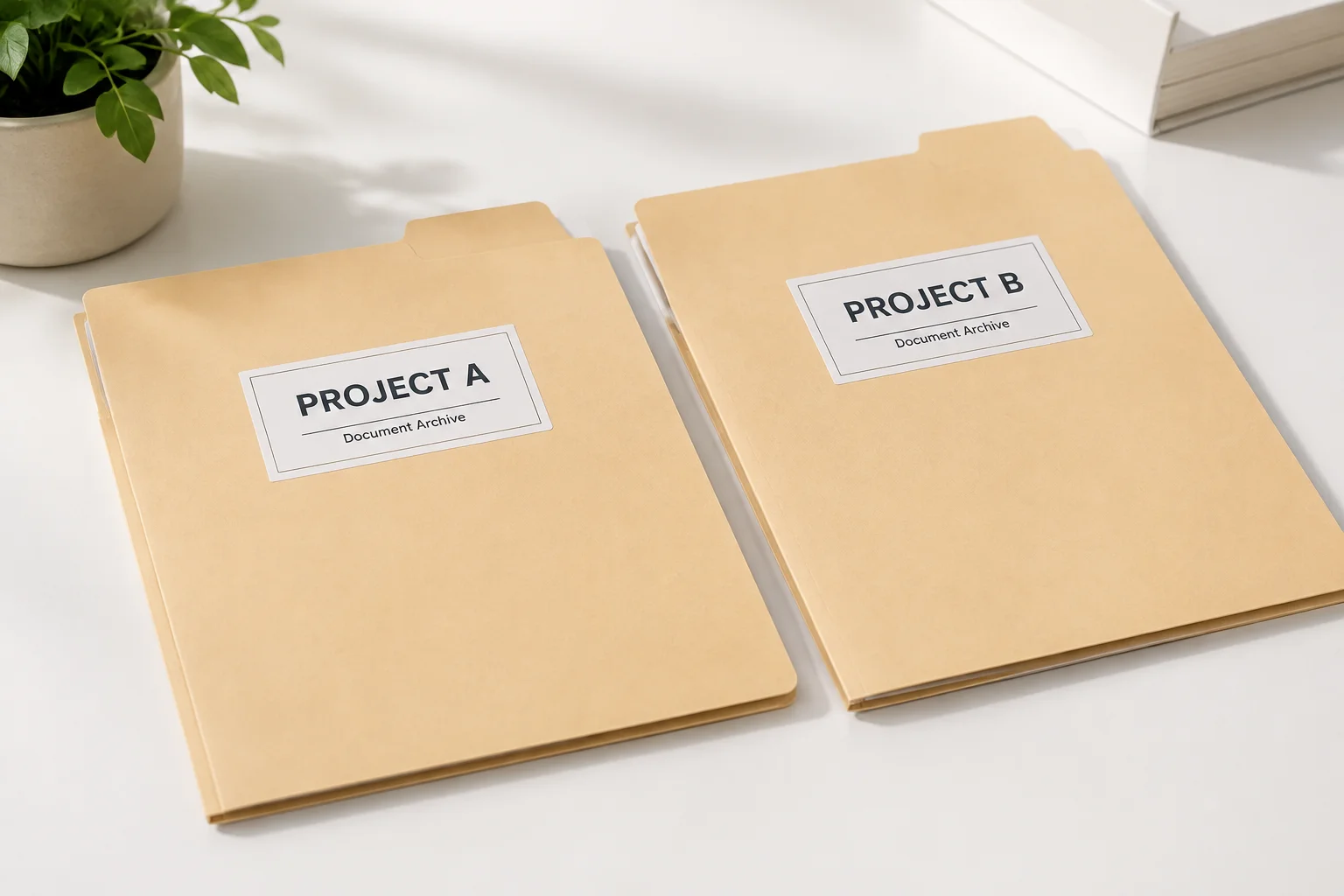
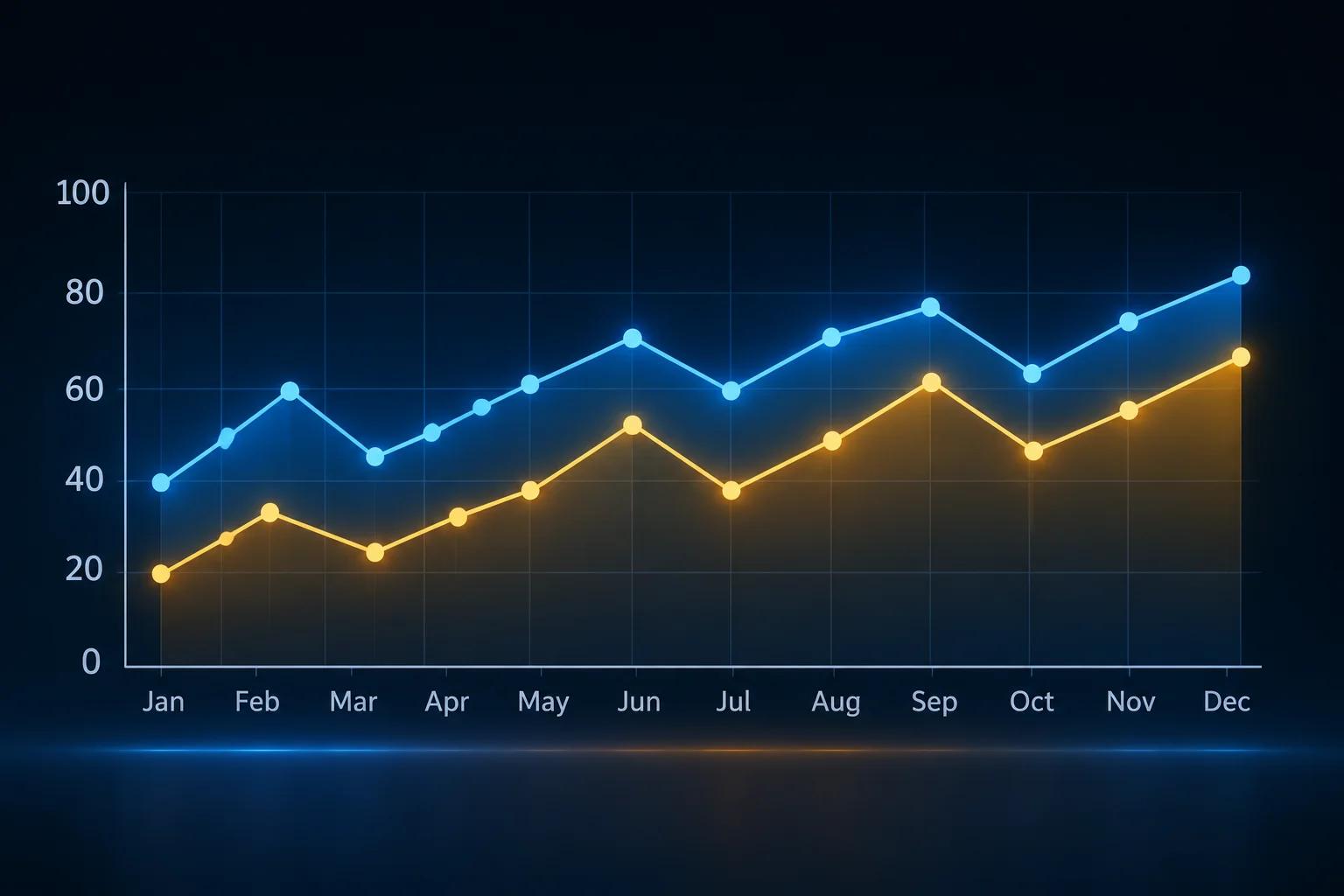
Explore Real-World Payment Cases

See how different obligation scenarios and variable bill schedules perform under real financial constraints.

View Payment Cases

Stay Updated on Payment Timing Guides

Receive practical financial insights, calendar templates, and scheduling tips directly to your inbox.

Frequently Asked Questions

Related Articles & Guides

View All
Scheduled Versus Completed Payments
Processing•Sep 15, 2026

Scheduled Versus Completed Payments

Learn the critical differences between pending schedules and settled transaction balances in personal ledger tracking.

Read Guide
A Variable Bill in a Recurring Schedule
Recurring Bills•Sep 20, 2026

A Variable Bill in a Recurring Schedule

Strategies for forecasting fluctuating monthly utility charges within fixed recurring budget frameworks.

Read Guide
Expected Income and Actual Deposits
Income Timing•Sep 25, 2026

Expected Income and Actual Deposits

How to account for direct deposit delays and employer payroll processing variations in cash forecasting.

Read Guide

Reader Discussion & Feedback

Share your observations on record-keeping timing or clarify case specifics.

JO

John

Field Specialist

Very helpful guide! This cleared up why my account balance always felt tight right before the 15th of the month.

MA
Mary
Author Reply

Cleared up my confusion completely. I will definitely look into requesting new due dates for my regular utility bills.

Leave a Comment