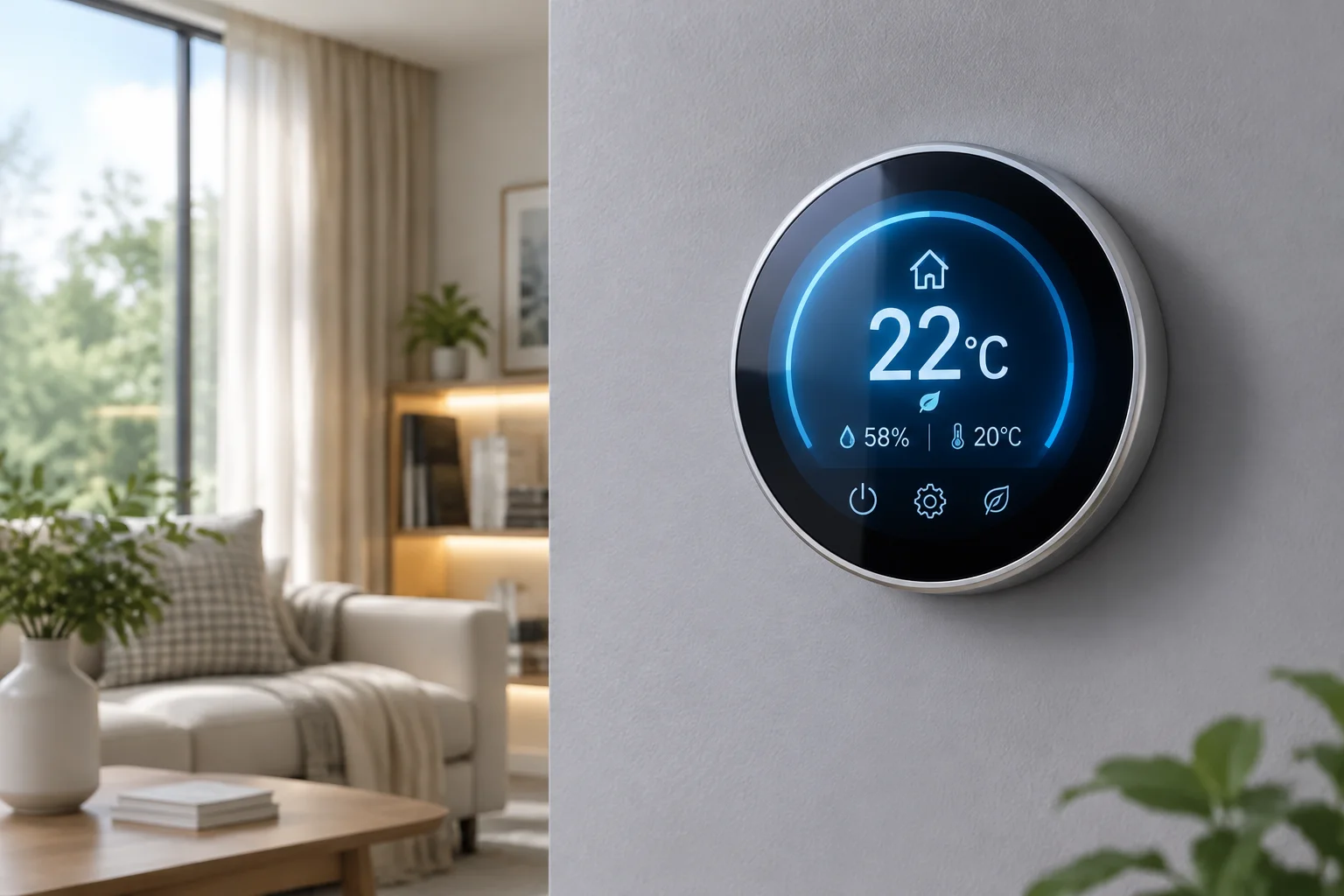
Balancing the Fluctuating Bill
Variable utilities—such as electricity, water, or heating—often disrupt a structured budget because they lack a fixed amount and set payment date. Effectively managing these requires a shift from fixed-bill thinking to an estimation-based model that accounts for usage cycles.
| Focus Area | Recommendation |
|---|---|
| Estimation | Average previous 12 months |
| Adjustment | Review every quarter |
| Buffer | Maintain 15% surplus |
Table of Contents
Strategic Management Takeaways
Mastering variable utilities is essential for maintaining a clean projected balance in your finance tools.
- Use historical data to smooth out seasonality effects.
- Separate your utility bill from core fixed recurring payments.
- Update budget estimates mid-cycle if unexpected spikes occur.
Why Variance Challenges Planning
Variable costs act as a spoiler in a predictive cash flow model. Unlike a subscription with a locked fee, these utility costs change based on consumption, weather, and service rate updates. Because your balance projection software requires concrete numbers to function, inputting a stagnant, incorrect figure leads to inaccurate reports.
The goal is to provide your budgeting tool with a representative average. If your system assumes a bill is $100 but it averages $150, the projection gap grows throughout the year, leaving you vulnerable to potential overdrafts or liquidity issues.
Implementing the Rolling Average
Rather than guessing, calculate a rolling average. Take your last twelve months of statements to determine the total annual cost, then divide by twelve to reach your monthly baseline.
- Sum up the total utility spending for the previous calendar year.
- Distribute this figure equally across your twelve recurring monthly entry slots.
- Compare the actual bills against your baseline monthly and refine as necessary.
This smoothing technique eliminates the impact of seasonal spikes, such as high air conditioning or heating costs, while providing your software with a consistent, reliable figure for its balance forecast. Keeping a moderate cash buffer helps cover the months when the bill exceeds your rolling average.
Need More Budgeting Templates?
Explore our collection of payment scenarios and planning sheets.
Get Monthly Planning Tips
Subscribe for updates on cash cycle improvements and bill forecasting tools.
Frequently Asked Questions
Related Articles & Guides

Why Payment Dates Matter
Understand why aligning your cash outflow with your deposit schedule prevents liquidity risks.
Read Guide
Scheduled Versus Completed Payments
Distinguishing between planned entries and cleared transactions is vital for an accurate balance.
Read Guide
A Variable Bill in a Recurring Schedule
Managing fluctuating bills while keeping them aligned with fixed recurring schedules.
Read GuideReader Discussion & Feedback
Share your observations on record-keeping timing or clarify case specifics.
Clara Hughes
ContributorI find that smoothing utility bills over a year really helps stabilize my monthly projections.