Guides•Knowledge Base and Guides

What a Projected Balance Does Not Know

Understanding the inherent gaps in automated balance forecasting and why human intuition remains the final arbiter of financial accuracy.

By Frank Knight2026-10-056 min read
What a Projected Balance Does Not Know

Beyond the Algorithms

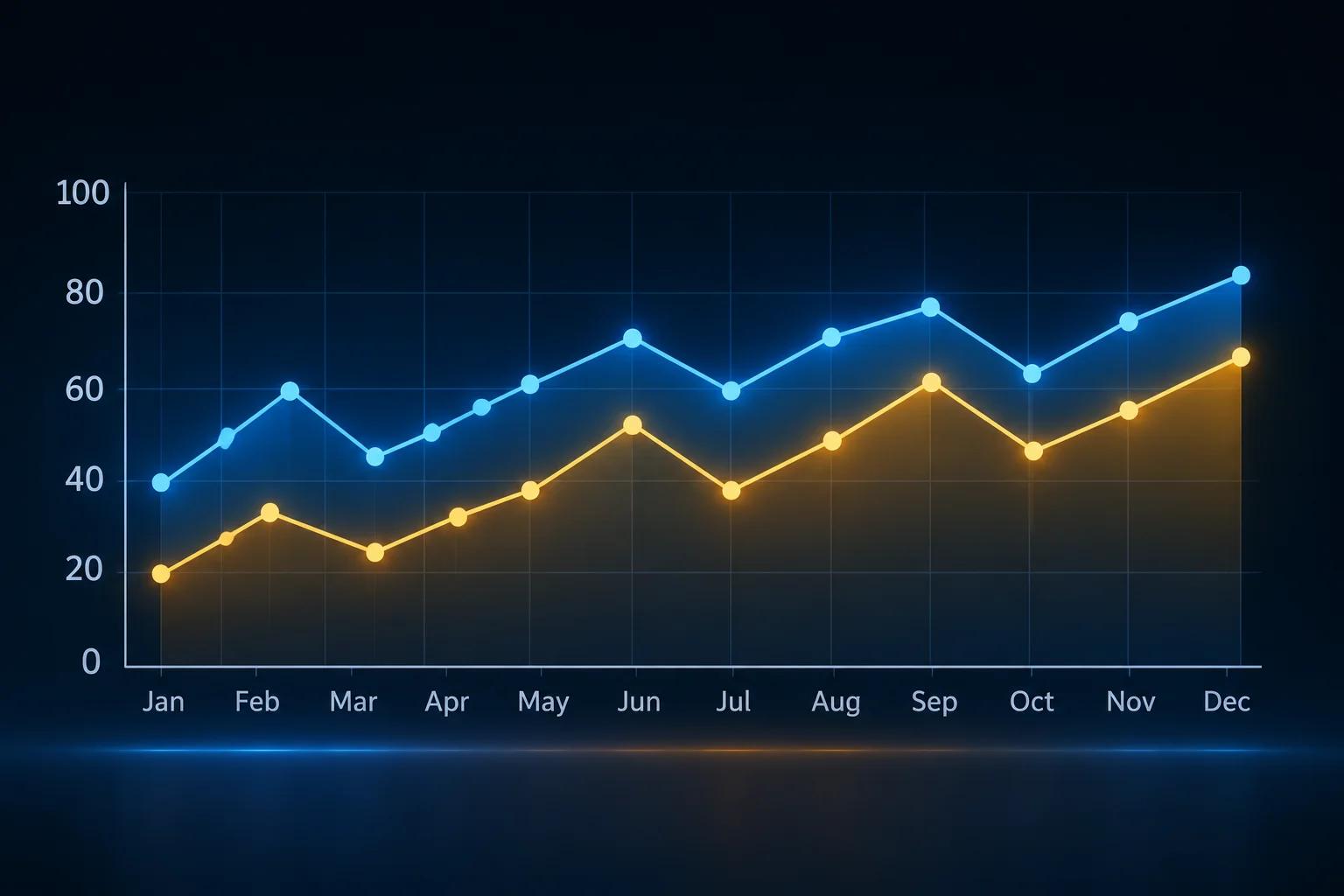
Software can calculate numbers, but it cannot predict human life or unforeseen events. Discover why your projected balance is a guide, not a guarantee.

Focus Area Limitation
Variable Spending Predicts averages, ignores spontaneous needs.
Income Deposits Assumes regularity where variations exist.
External Factors Blind to external events like price shifts.
View Breakdown

Key Takeaways

Projected balances are data-driven snapshots. However, they rely on rigid, repetitive schedules that rarely account for the complexity of daily life.

  • Software cannot predict life changes or emergency expenses.
  • Manual verification is needed to prevent scheduling errors.
  • Your balance is a projection tool, not an absolute truth.

The Forecasting Mirage

When you look at a projected balance, you are essentially looking at an optimistic mathematical model of your future. It assumes that bills will arrive on time, that income deposits occur with unwavering regularity, and that your spending patterns are immutable. In reality, modern finances are rarely so static.

The system excels at simple, recurring obligations. If you have a fixed mortgage or a static subscription fee, the software can forecast those costs with perfect accuracy. Where it falters is the grey area—the variable utility bill that swings by fifty dollars or the deposit that arrives a day late because of a holiday. When these minor deviations occur, the projected balance remains blissfully ignorant, displaying a number that simply does not reflect your actual available funds.

The Human Factor

Managing finances effectively requires a layer of human awareness that technology cannot replicate. You know when a holiday might delay your paycheck or when a specific season might drive up your energy bills. A projected balance sheet doesn't know about these context-heavy realities unless you manually intervene to adjust the assumptions.

  • Periodic reviews of your projected schedules.
  • Regular reconciliation between predicted numbers and actual bank transactions.
  • Proactive adjustments for seasonal spending shifts or expected income delays.

Ultimately, the system acts as a starting point. By acknowledging what it cannot know, you transition from being a passive observer of your numbers to being an active manager of your cash flow. Relying on software to do all the thinking creates a false sense of security that is easily punctured by the very real variability of life.


Need to master your flow?

Explore our collection of payment scenarios to refine how you handle regular bill cycles.

View Payment Cases

Stay Informed

Receive our latest insights on calendar planning and financial organization.

Frequently Asked Questions

Related Articles & Guides

View All
Why Payment Dates Matter
Knowledge Base and Guides•2026-09-10

Why Payment Dates Matter

A critical look at how the timing of your obligations can impact overall cash flow health.

Read Guide
Scheduled Versus Completed Payments
Knowledge Base and Guides•2026-09-15

Scheduled Versus Completed Payments

Distinguishing between an automated schedule entry and actual, processed bank activity.

Read Guide
A Variable Bill in a Recurring Schedule
Knowledge Base and Guides•2026-09-20

A Variable Bill in a Recurring Schedule

How to properly manage utility bills that change amount each month within a set routine.

Read Guide

Reader Discussion & Feedback

Share your observations on record-keeping timing or clarify case specifics.

Leave a Comment